Thinking about installing a vinyl fence? One of the first decisions you’ll need to make is choosing the right vinyl fence panels. These prefabricated sections come in a variety of styles, sizes, and configurations—and getting it right from the start can save you time, money, and future headaches.
Whether you’re fencing in your backyard or securing a commercial property, understanding your panel options will help you make a smarter investment.
Types of Vinyl Fence Panels
Vinyl fence panels are designed to meet different needs—privacy, aesthetics, security, or a combination of all three. Here are the most common types you’ll come across:
Privacy Panels
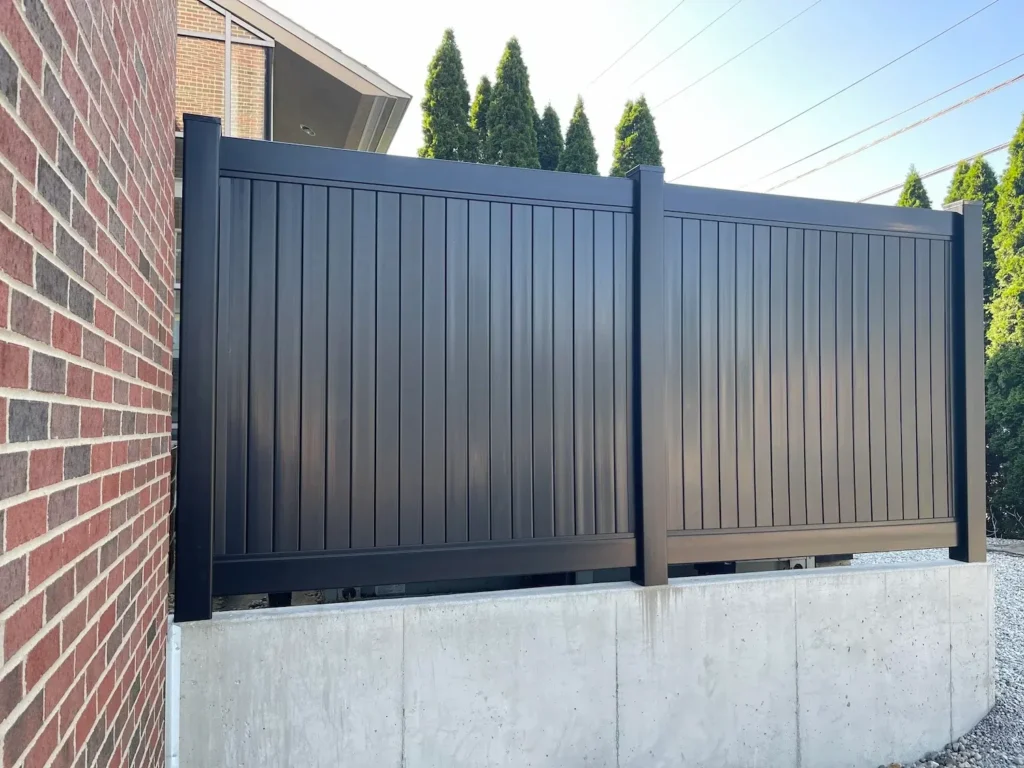
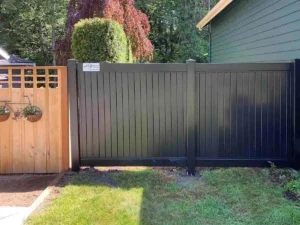
These panels feature tightly placed boards with no gaps, providing maximum seclusion. They’re ideal for backyards, pool areas, and side yards where blocking visibility is a top priority. Many privacy panels also include decorative top accents like lattice or picket details for added curb appeal.
Semi-Privacy Panels
If you want a bit of airflow and light but still value a sense of enclosure, semi-privacy panels are a great choice. They typically feature narrow gaps between boards or stylish cutouts that allow partial visibility while maintaining security.
Picket Panels
Perfect for front yards or decorative fencing, picket panels offer a classic, welcoming look without full privacy. They’re often shorter in height and come in a variety of picket shapes—from traditional pointed to flat-top and scalloped designs.
Ranch Rail Panels
Also known as post-and-rail or split-rail fencing, ranch rail panels are ideal for large properties, gardens, or perimeter fencing. While they don’t offer privacy, they provide a clean, open look and help define space effectively.
Panel Sizes: What You Should Know
Most vinyl fence panels come in standard heights of 4, 6, or 8 feet, and typical panel widths range from 6 to 8 feet. Taller panels are generally used for privacy or security, while shorter panels are suited for decorative or front-yard installations.
Before choosing a size, consider:
- Planning your layout carefully. Measure your space and mark post locations to minimize waste. Consider elevation changes, tree roots, and underground utilities as you map out your fence line. A string line and level can help keep everything straight and visually balanced during setup.
- Checking local regulations. Permits or setback requirements may apply, especially for taller fences. Some neighborhoods or HOAs also have restrictions on fence height, color, or placement—always double-check before you dig. Failing to follow local codes could result in fines or the need to redo the installation.
- Using quality hardware. Strong posts, brackets, and secure locking systems will extend the life of your fence. Cheap or mismatched parts can lead to sagging panels or structural failure over time, especially in harsh weather. Investing in weather-resistant hardware ensures your fence remains stable and attractive year-round.
A well-installed vinyl fence not only looks better—it performs better, too. Proper spacing, alignment, and post-setting depth all contribute to a final result that’s durable, functional, and visually appealing for years to come.
Tips for Easy Installation
Vinyl fence panels are designed for straightforward installation, but a smooth process starts with smart preparation.
- Plan your layout carefully. Measure your space and mark post locations to minimize waste. Consider elevation changes, tree roots, and underground utilities as you map out your fence line.
- Check local regulations. Permits or setback requirements may apply, especially for taller fences. Some neighborhoods or HOAs also have restrictions on fence height, color, or placement—always double-check before you dig.
- Use quality hardware. Strong posts, brackets, and secure locking systems will extend the life of your fence. Cheap or mismatched parts can lead to sagging panels or structural failure over time, especially in harsh weather.
- Consider professional installation. While many panels are DIY-friendly, a pro can ensure everything is level, secure, and built to last. This is especially helpful for large or uneven properties, or when time is limited.
A well-installed vinyl fence not only looks better—it performs better, too. A solid install helps prevent warping, shifting, or leaning, and ensures your fence provides privacy and durability for years to come.
Contact Us for Expert Guidance on Vinyl Fence Panel Selection
Still unsure which panel style or size is right for your property? We’re here to help. Whether you’re installing a new fence for your home or business, we’ll walk you through your options and help you choose the right solution for your space, style, and budget. Contact us today for expert guidance on vinyl fence panel selection—and make your next fencing project as smooth and successful as possible.