20 Years of Proven Performance

20 Years of Proven Performance
If you’re researching vinyl fencing, you’re probably wondering whether it can truly handle your climate. Can vinyl handle constant rain and seasonal temperature swings without warping or fading?
These are the right questions to ask, especially if you live in a challenging climate like the Pacific Northwest. The material you choose for your fence will determine whether you get decades of low-maintenance performance or years of repairs, replacements, and regret.
A straightforward answer is that quality vinyl fencing is engineered specifically to thrive in wet, variable climates where other materials fail. Unlike wood that rots and warps or metal that rusts and corrodes, vinyl is fundamentally impervious to moisture.
Vinyl is a non-porous material, meaning water can’t penetrate its surface. Rain, snow, humidity—none of it gets absorbed into the material structure. This prevents the rot seen in wood fences and the corrosion that destroys metal.
Moisture resistance is just part of the equation. Premium vinyl formulations are designed to handle temperature fluctuations without the expansion and contraction problems that plague inferior products.
In regions like the Pacific Northwest, months of rain, humidity, and temperature swings stress fence materials. Local building codes often require specific installation methods to ensure long-term stability in these conditions.
Traditional wood fencing absorbs moisture during rainy seasons and then dries out in summer, leading to warping, splitting, and rot within a decade. Metal fencing corrodes at connection points where water collects. Choosing a material designed for local weather ensures your fence remains strong and attractive for decades and not just a few seasons.
Not all vinyl performs equally when temperatures fluctuate. The critical specification is heat distortion temperature. This is the point where material begins to lose its structural integrity.
Standard PVC formulations have a heat distortion temperature below 160°F. That sounds high until you realize dark-colored surfaces in direct sunlight commonly reach 180°F or more, even in moderate climates. This is why cheap vinyl fences sag, warp, and distort within a few years.
CPVC formulations, on the other hand, have heat distortion temperatures exceeding 200°F. This means they maintain dimensional stability through extreme conditions, making them ideal for dark-colored fences and areas with wide temperature swings.
Choosing the right style means matching form and function to your specific needs and climate challenges.
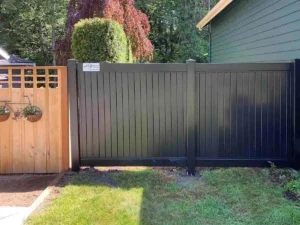
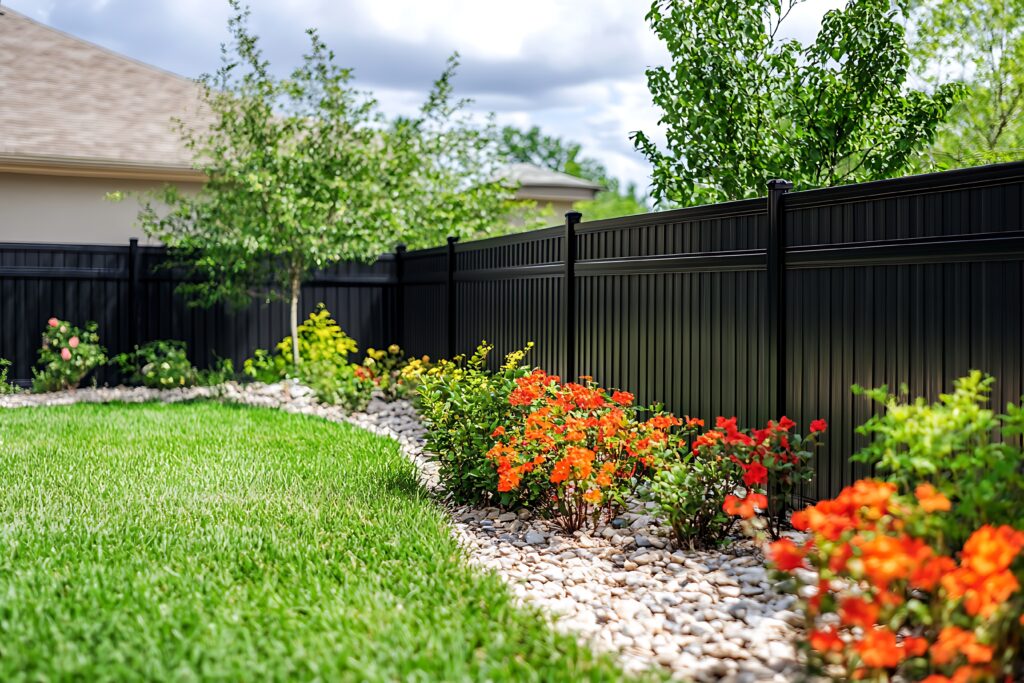
Privacy fencing provides full coverage with tongue-and-groove panels that block sight lines and weather. In rainy climates, privacy fences protect your yard from wind-driven rain while requiring zero maintenance. No need for painting or staining, just occasional rinsing with a garden hose.
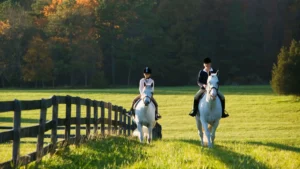
Ranch rail fencing offers an open design perfect for equestrian properties and perimeter marking. The open structure handles high winds better than solid panels, making it ideal for exposed or coastal locations.
Picket-top fencing combines classic aesthetic appeal with modern durability. The decorative picket top adds visual interest while maintaining the weather resistance and structural integrity of solid vinyl construction.
Ornamental fencing delivers decorative appeal without the maintenance burden of wrought iron. You get the elegant look without rust, corrosion, or painting requirements.
Your style choice affects not just appearance but also wind load and performance. Solid privacy panels face more wind resistance than open rail designs, so local conditions should guide your decision.
Installing vinyl fencing in wet climates requires attention to local conditions.
Municipal codes often specify setback distances from property lines and installation methods for soil stability. Some areas require permits for fences over certain heights, so always check your local requirements before purchasing.
Soil conditions in the Pacific Northwest can be clay-heavy and water-saturated, requiring deeper posts and concrete anchoring to prevent frost heave. Coastal areas need wind calculations to ensure proper spacing and bracing.
While DIY installation is possible, professional installers understand local soil conditions, know code requirements, and have the tools to set posts correctly. Professional installation ensures compliance and prevents costly mistakes, especially in challenging terrain.
The biggest mistake homeowners make is assuming all vinyl fences perform equally. Material quality varies dramatically between manufacturers. A cheap vinyl fence from a big-box store won’t perform like a premium CPVC formulation engineered for high heat and climate durability.
Many people ignore heat distortion temperature specifications entirely. They see “vinyl fence” and assume it’s all the same. Then they’re surprised when their dark-colored fence warps within three years. The material science matters, especially for black or dark brown fencing in areas with any sun exposure.
Another common error is choosing standard PVC or polyethylene products for dark colors. These materials simply cannot handle the heat buildup that occurs on dark surfaces, regardless of climate. If you want black or dark brown fencing that lasts, you need CPVC formulation with proven high-temperature performance.
Homeowners also frequently overlook local code requirements before purchasing. Finding out after delivery that your fence doesn’t meet setback requirements or height restrictions creates expensive problems. Research first, purchase second.
Finally, many people underestimate installation complexity, particularly in challenging soil conditions. Setting posts correctly in wet, clay soils requires more than a shovel and some concrete. Poor installation leads to leaning, sagging fences regardless of material quality.
Quality matters. Look for CPVC formulation if you’re considering dark colors, and verify heat distortion temperatures exceed 200°F. Confirm real-world performance data and check warranty coverage for weathering, discoloration, and structural issues.
Quality vinyl fencing is built for decades of maintenance-free performance, even in wet or fluctuating climates. No painting, no staining, no rot, no rust—just lasting strength and beauty that stands the test of time.
Got a question about vinyl fencing for your specific property and climate? Contact us today! We’re available to answer any questions you have about vinyl privacy fencing, styles, installation, and finding the right solution for your needs.
Got a question? Give us a call