20 Years of Proven Performance
20 Years of Proven Performance
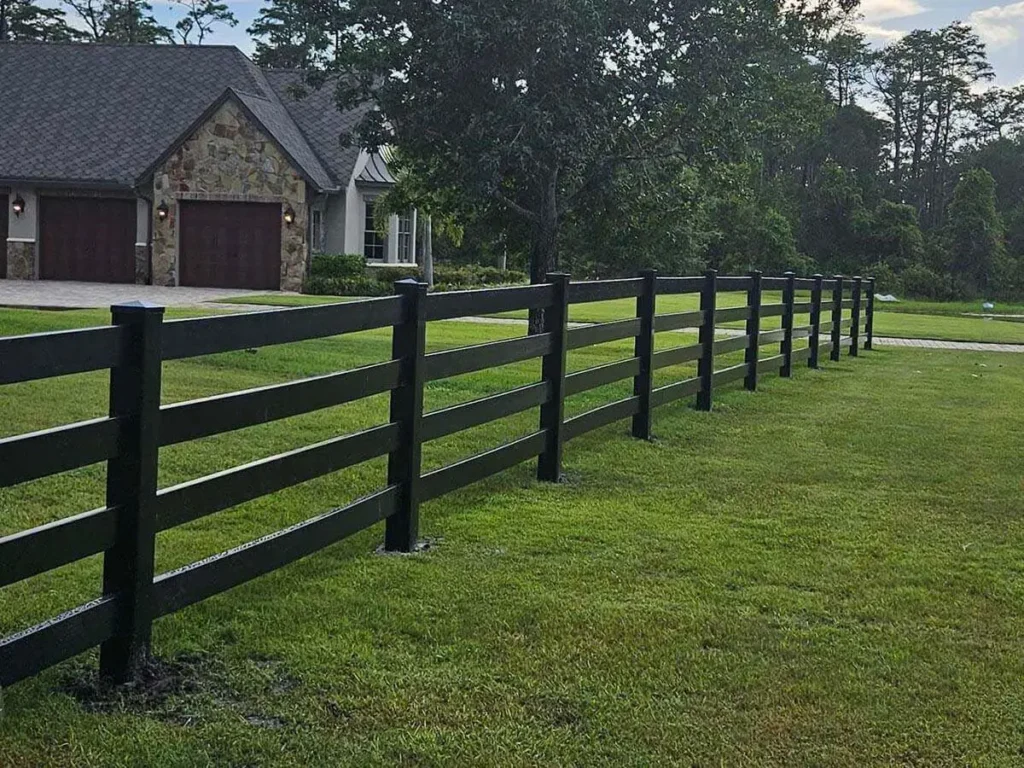
The best ranch style vinyl fence ideas start with the view you want to keep. A fence can frame a long approach, give a barn entrance more definition or carry a consistent line across open ground. Each choice changes how the property looks from both sides.
These ideas use real BLACKline HHP gallery photographs. Treat the images as design references, then have the complete layout assessed for its intended use. A decorative boundary, an access lane and an enclosure used by horses can need different solutions.
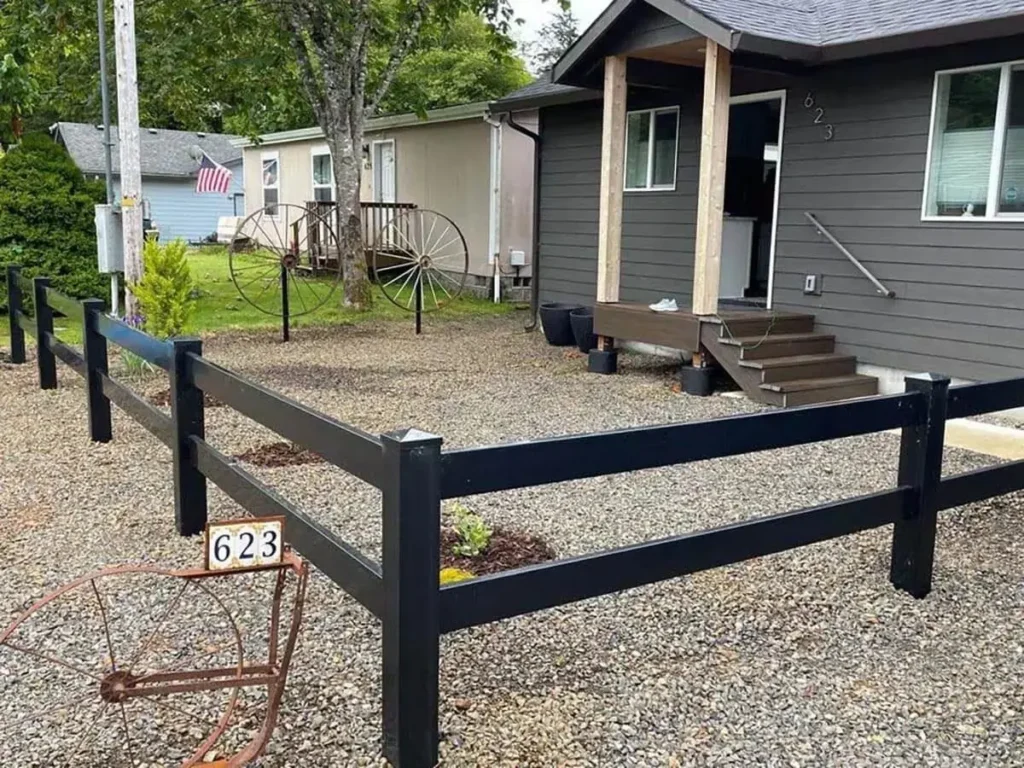
A two-rail layout creates a light outline around landscaping or a frontage. In BLACKline’s gallery, the open spaces allow the building and planting behind the fence to remain visible. It can suit a part of a property where defining the edge is the main design objective.
Keep that purpose clear in the plan. An open decorative rail arrangement is not, by appearance alone, an appropriate enclosure for every animal. Ask which product and layout fit the actual use of the area.
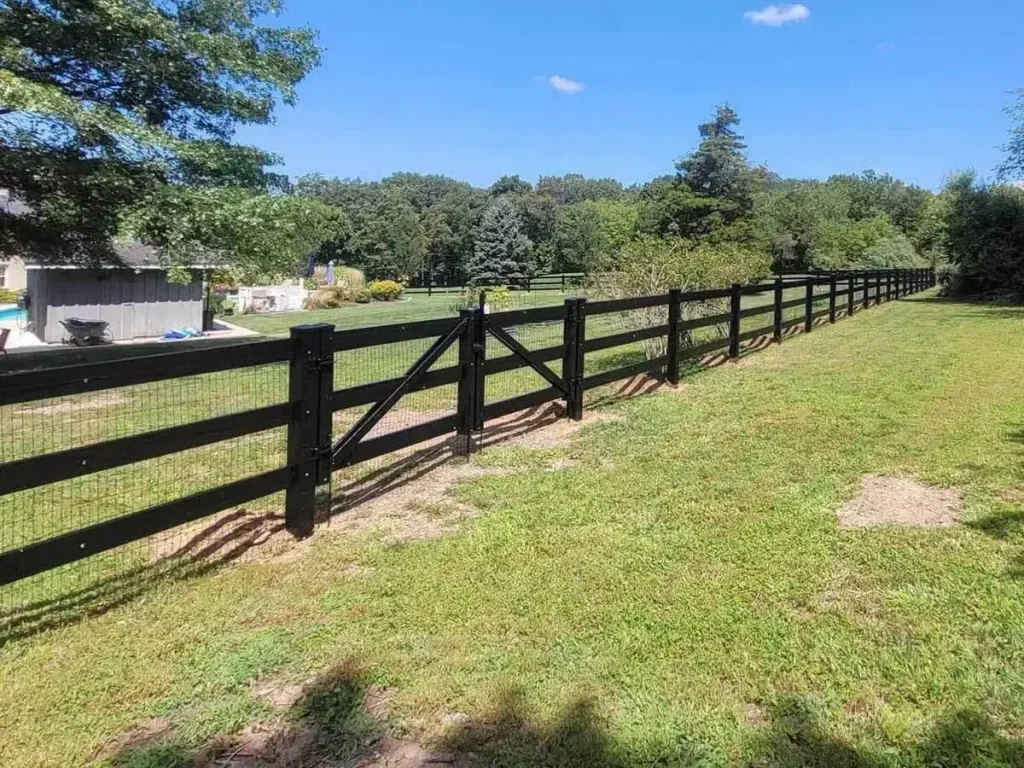
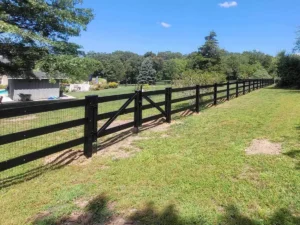
Three-rail examples show how a fence can connect a longer run without adding a decorative pattern to every section. The repeated horizontal lines can tie several parts of a property together while keeping views through the fence.
In a photograph that also shows wire mesh, identify the mesh as a separate component. If you want a combined system, discuss compatibility and suitability with the manufacturer and installer; do not assume it is included in the rail-fence order.
The four-rail example beside a landscaped home has a stronger pattern of horizontal lines. It is a useful reference when the fence needs to read clearly against trees or a larger building, rather than disappearing into the background.
Compare the look from the road as well as from inside the property. Ask for the exact product dimensions and review the finished openings for the use you have in mind. Rail count alone is not a complete design specification.
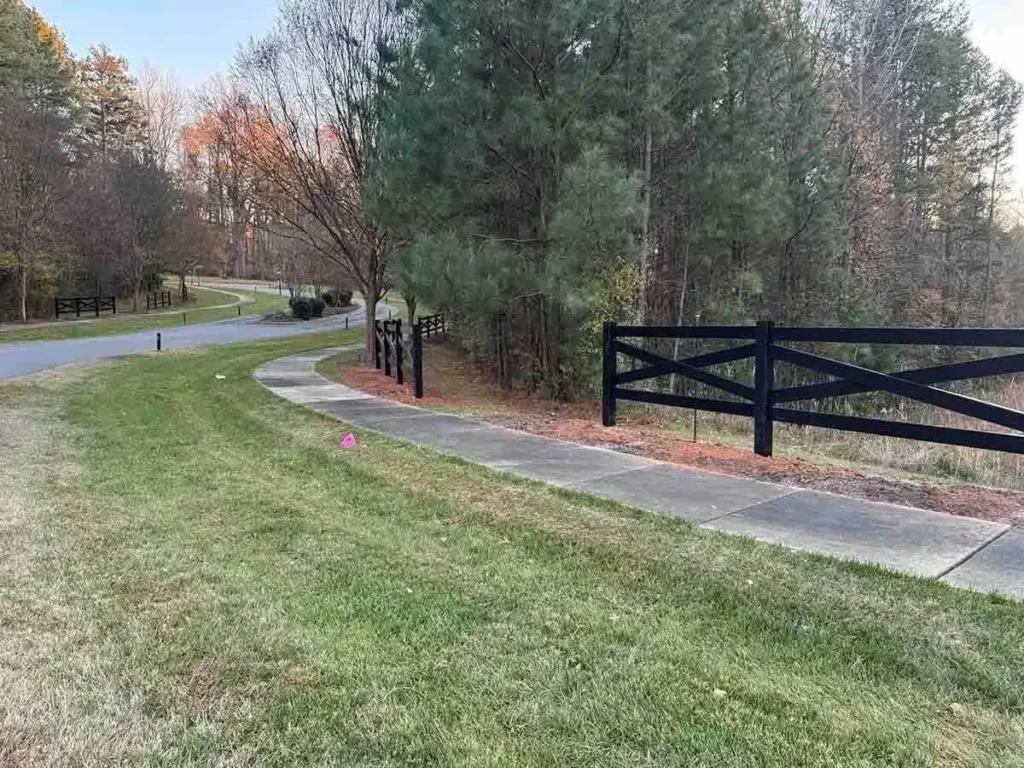
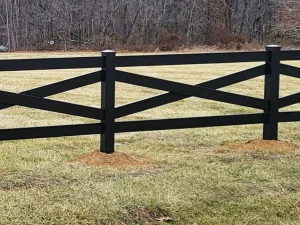
Crossbuck’s repeating Xs can make a short approach or frontage a focal point. The gallery example beside a wooded road shows how the pattern adds interest without using solid privacy panels.
Try that detail in a sketch before repeating it along the whole boundary. A short decorative run may provide the emphasis you want, while a simpler fence carries the longer distance. Plan the transition and gate together so the change feels intentional.
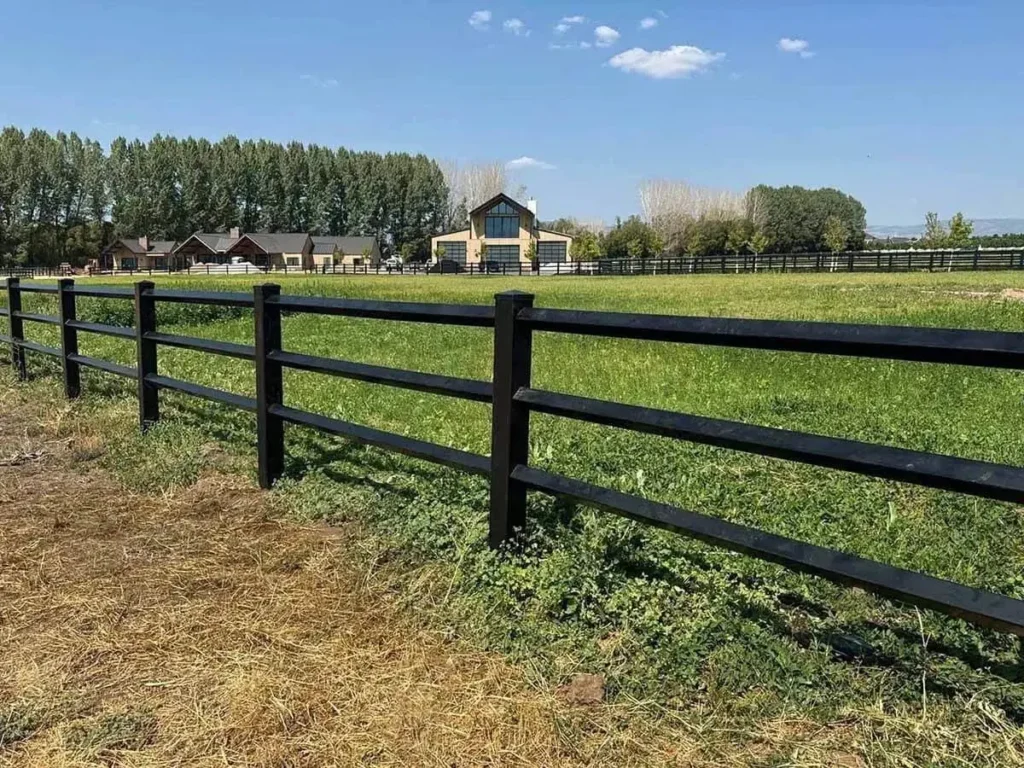
BLACKline’s diamond rail photographs show straight horizontal rails, rather than diagonal diamonds across each section. Compare the rail profile and the overall line with crossbuck before choosing by the product name.
The pasture image is a useful reference for a view that keeps farm buildings and open space prominent. Keep the inspiration separate from the enclosure design: the animals and site still need their own assessment.
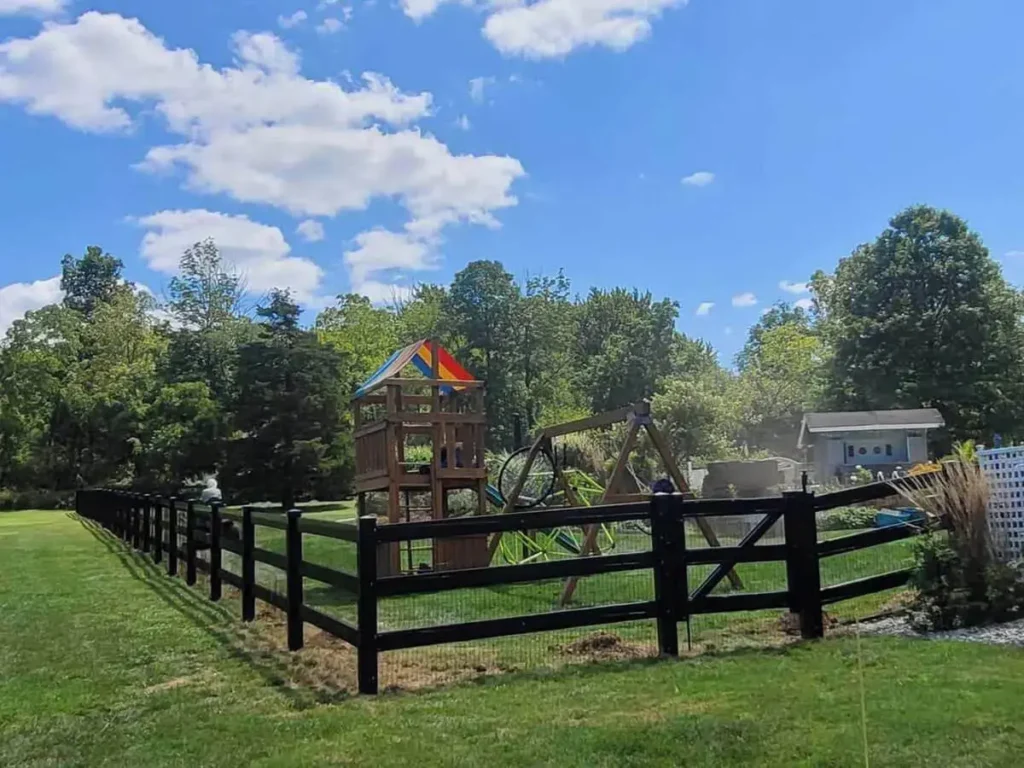
A gate can interrupt an otherwise consistent layout if its position and appearance are decided last. Use a real gate photograph to discuss the opening, approaches and visual relationship with the fence runs on either side.
Show the installer what will pass through it and where it needs to swing or operate. Request the appropriate support and hardware details. A picture is a starting point for that conversation, not a construction drawing.
Choose a few images and label what you like about each: the rail pattern, a frontage treatment or the way an opening sits in the run. Then mark which areas are decorative and which have an animal-management purpose.
Penn State Extension notes that different groups of horses and different parts of a facility can require different fencing arrangements. Bring the intended use into the design discussion before the visual choices become an order.
You can discuss a mixed layout, but confirm compatible transitions and the purpose of each area. A simple plan helps keep the overall appearance coherent.
No. Suitability depends on the complete system, openings, installation, animals and management. Get advice for the intended enclosure rather than relying on rail count.
Use the photograph to identify the look, then confirm the actual product, dimensions, components and site requirements with BLACKline.
Browse the BLACKline HHP gallery and save the examples that suit your property. Request a quote with those references, the proposed fence route and the intended use of each area so the team can help identify the right product options.