18 Years of Proven Performance
18 Years of Proven Performance
You want a black vinyl fence for its modern look. But you’ve heard the horror stories: fading to gray, warping in the sun, sagging between posts. Do black vinyl fences actually work, or will yours fail too?
Material science determines whether your black vinyl privacy fence looks sharp for decades or fails within years. Most black vinyl fails predictably. Some perform flawlessly. Here’s how to identify quality.
The physics problem: Black surfaces in direct sunlight reach 180°F+. In hot regions, temperatures exceed 200°F.
Standard PVC limitations: Traditional vinyl uses PVC with a heat distortion temperature below 160°F. When black PVC reaches 180°F+, it softens. Panels warp. Rails sag. Gates distort.
Visual degradation: Heat stress accelerates UV damage. Standard formulations lack adequate pigmentation and UV inhibitors. Result: fading to gray, surface chalking, and color inconsistency within 2 to 5 years.
Failed attempts: For decades, manufacturers tried making black vinyl work with standard PVC. Nothing solved the fundamental problem: PVC can’t handle heat that black surfaces generate.
CPVC vs. PVC: CPVC has a heat distortion temperature exceeding 200°F. When black vinyl fence panels reach 180°F in the sun, CPVC material maintains integrity. No warping. No sagging.
Proprietary carbon black pigmentation: Quality heat-resistant black vinyl fencing uses carbon black at 40% above recommended levels for consistent color and enhanced UV protection.
Multiple UV inhibitors: Carbon black provides inherent UV protection. Additional UV stabilizers prevent surface degradation in fade-resistant black vinyl fence applications and stop chalking.
Non-chalking formulation: Auxiliary materials resist UV breakdown. Quality formulations eliminate the chalky white film that ruins appearance.
Geographic challenges: Hot climates are the most demanding, but even moderate climates create heat stress in direct sun.
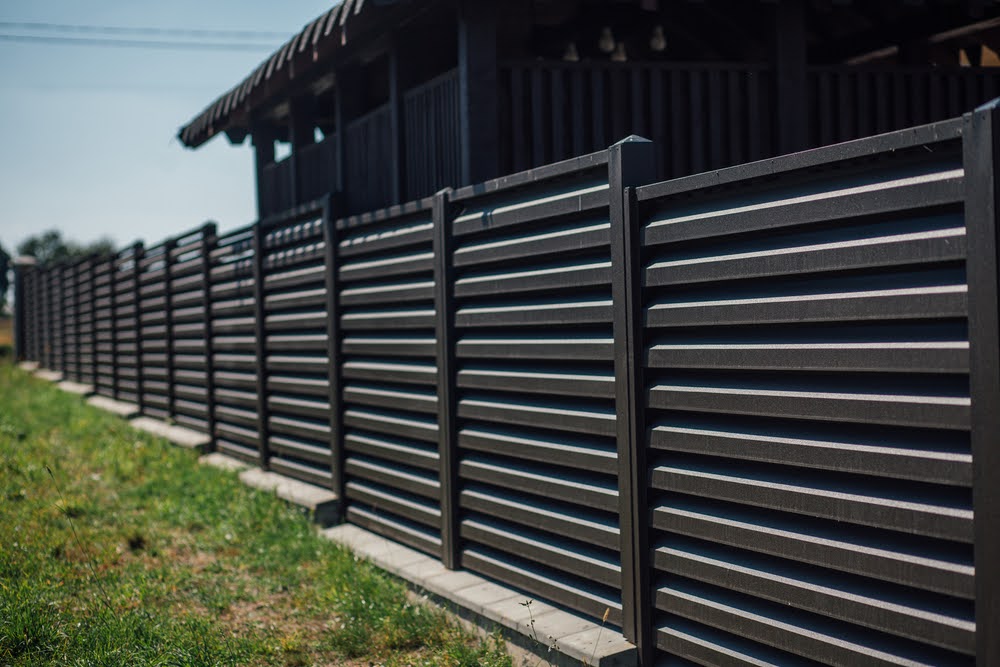
Privacy applications: Large solid black vinyl fence panels maximize heat absorption. Six-foot privacy panels in full sun are the ultimate test.
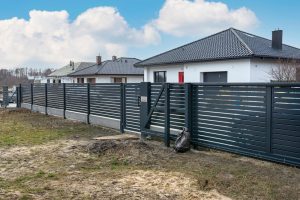
Horizontal designs: Maximum surface area exposed to sun plus structural stress as rails resist sagging in modern black vinyl fencing installations.
Long-term expectations: Should maintain color and structure for decades. Proven field performance over 18+ years demonstrates real durability for fade-resistant black vinyl fence products.
Modern residential: Contemporary aesthetics complementing modern architecture. Bold curb appeal without maintenance.
Commercial: Offices, apartments, and condos benefit from sophisticated appearance and minimal upkeep.
Pool enclosures: Code-compliant safety with style. Masks hide dirt and chlorine splashes better than white.
Urban properties: Creates privacy without feeling heavy or dated.
Verify specs: Demand heat distortion temperature specifications. Anything below 200°F won’t perform. CPVC formulation required.
Field performance: Look for 18+ years of proven performance in actual installations, not just lab testing.
Warranty specifics: Verify coverage addresses fading, chalking, warping, sagging, and discoloration. Limited lifetime warranty indicates confidence.
Avoid unspecified formulations: If the manufacturer won’t specify CPVC for black vinyl fence applications, walk away. They’re selling standard PVC that will fail.
Installation matters: Proper post spacing prevents stress. Professional installation protects investment and warranty.
CPVC formulation with heat resistance above 200°F. Proprietary carbon black pigmentation. Multiple UV inhibitors. These aren’t optional; they’re requirements for modern black vinyl fencing.
Standard PVC fails predictably. CPVC with proper formulation performs flawlessly.
Ready for a black vinyl fence that actually performs? Contact us today for quotes on heat-resistant black vinyl fencing with a proven 18-year track record and limited lifetime warranty.
Got a question? Give us a call