18 Years of Proven Performance
18 Years of Proven Performance
When it comes to building a private, secure outdoor space, two materials dominate the conversation: vinyl privacy fences and traditional wood fencing. Both offer privacy, curb appeal, and security—but they differ significantly in maintenance, cost, and longevity.
If you’re on the fence (literally) about which option is best for your home, this side-by-side breakdown will help you make a confident, informed decision.
Wood fencing typically comes with a lower upfront cost, making it attractive to budget-conscious homeowners. But that lower price tag doesn’t always mean better value.
Vinyl privacy fencing has a slightly higher initial investment, but it pays off in the long run. You won’t need to worry about repainting, staining, or repairing rot. Over time, the maintenance costs of wood often exceed the one-time cost of a high-quality vinyl installation. If you’re thinking long-term, vinyl usually wins on total value.
One of the biggest advantages of vinyl is its low-maintenance nature. It doesn’t absorb moisture, won’t warp or splinter, and never needs to be painted or sealed. A quick spray with a hose is usually all it takes to keep it looking clean and new.
Wood fencing, on the other hand, requires regular upkeep. You’ll need to stain or paint it every few years to prevent weather damage and extend its life. Without consistent care, wood is prone to rot, insects, and fading—especially in harsh climates.
For homeowners who want minimal upkeep, vinyl is the clear winner.
Wood has a timeless, natural look that many homeowners love. It can be customized with different stains, cuts, and finishes, and it often blends beautifully with traditional or rustic-style homes.
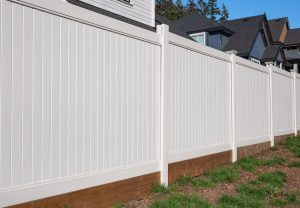
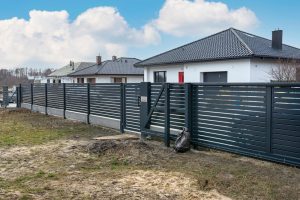
Vinyl, however, has come a long way in recent years. Today’s vinyl privacy fences are available in a wide range of colors, textures, and styles—including wood-look finishes that mimic the charm of real timber without the maintenance. It also maintains its appearance year after year, with no fading, cracking, or peeling.
If you’re looking for a fence that stays beautiful with zero upkeep, vinyl offers the best of both worlds: modern durability with customizable design.
Wood fences typically last about 10–15 years with proper maintenance—but that can vary widely depending on weather exposure and material quality. Vinyl privacy fences, on the other hand, can last 20–30 years or more with virtually no maintenance required.
Vinyl is resistant to moisture, pests, and UV rays, making it ideal for all climates. Wood, while sturdy, is vulnerable to weather extremes and may warp or decay over time—even with careful care.
If long-term performance and weather resistance are top priorities, vinyl outperforms wood by a wide margin.
If you love the natural look of wood and don’t mind the upkeep, traditional fencing can be a great choice—especially for short-term needs or projects with a tighter budget. But if you’re looking for a long-term, low-maintenance solution that holds up beautifully year after year, a vinyl privacy fence is the smarter investment.
It combines durability, minimal upkeep, and a clean, modern aesthetic—making it ideal for today’s busy homeowners.
At BlacklineHHP, we offer high-performance vinyl privacy fencing that’s built to last and made to impress. Whether you’re replacing an old wood fence or installing a brand-new one, we’ll help you find a vinyl solution that fits your style, space, and budget.
Explore our modern vinyl privacy fencing solutions today and discover why more homeowners are making the switch to smarter, stronger fencing.
Got a question? Give us a call