18 Years of Proven Performance
18 Years of Proven Performance
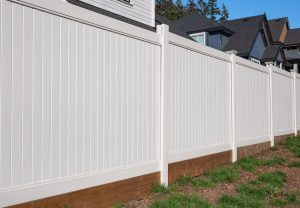
One of the best fencing material choices today is vinyl. A vinyl fence is easy to maintain, durable, and beautiful. The upfront cost may be higher than other fencing options, but longevity and ease of care are the payback. Here are some typical questions people have when considering a vinyl fence.
The main ingredient in vinyl fencing is a PVC (polyvinyl chloride) resin. It is specially formulated for long term UV (ultraviolet) light resistance and superior strength.
A vinyl fence needs little maintenance. Compared to wood fencing, which needs staining or painting consistently, vinyl keeps its color and sheen season after season, year after year. The most you will have to do to maintain its appearance is to wash it when it gets dirty. A water hose, possibly a wash towel, and some soapy water should be all you need.
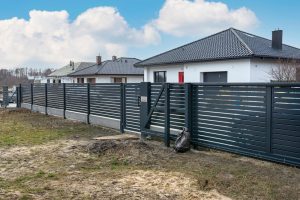
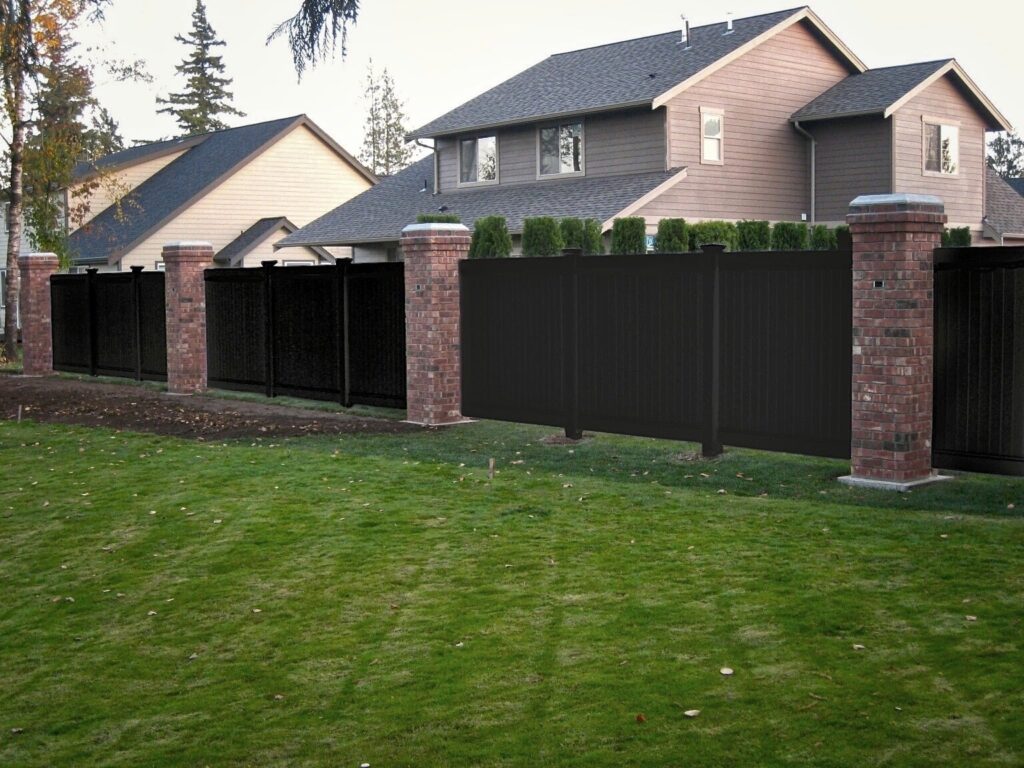
Thanks to modern technology, you can get vinyl fences in almost any color. At Blackline HHP, our black vinyl fences are manufactured to remain durable and strong in sunny environments for decades.
If you have a concern about direct sunlight, vinyl fencing will be a great choice for you. Wood and other similar materials change color or fade with exposure to the sun. Vinyl’s changes will be minimal even after years of exposure. Generally speaking, vinyl fencing lasts much longer than other types of fences.
A high-quality vinyl fence should last a lifetime though proper installation is key. This longevity is the reason why the extra upfront cost for vinyl fences is worth it. The specific warranty and guarantee will vary depending on the fencing company you choose to buy from.
Vinyl fencing has a very high burn temperature so it is considered “self-extinguishing.” It takes a flame source of 900 degrees (900 ºF) to catch fire, so they do not ignite easily. If a vinyl fence is set on fire, it will not continue to burn on its own.
Winter can be harsh on almost all fencing materials. Vinyl will lose some flexibility during the cold. But there is no problem unless it suffers high impact such as a hit from a car or tree falling. Normal seasonal changes will not cause your vinyl fence to break or crack.
Throughout the life of your vinyl fence, you should not see any surface peeling, chipping, or cracking. Out of the ordinary occurrences would be covered under your warranty.
Due to the way a vinyl fence is constructed, it is not likely that someone would be injured from your fence. There are no projecting sharp fasteners such as nails and screws. The material does not splinter, and because PVC has no taste, pets or livestock aren’t likely to chew on it.
A vinyl fence’s smooth finish discourages horses from rubbing and scratching themselves on the fence, a common problem with wood fencing. Vinyl fences are great for horse fences because they are highly visible, durable, and attractive.
As with any material exposed to prolonged damp conditions, vinyl products will collect mildew or mold. However, cleanup is easy using mild soap and water. The smooth texture adds to the ease of cleaning.
The wind resistance of a vinyl fence depends on the quality of materials, its design, and installation. A high-quality vinyl fence can withstand wind loads up to 100mph.
With normal use and proper installation, a vinyl fence will not break easily. It can break from high impacts, such as a vehicle running into it.
All PVC products can be damaged by lawn equipment, even the “string” from weed eaters. Be careful when operating any lawn or garden equipment near your fence posts. Be particularly cautious with commercial trimmers because they tend to be more aggressive.
Got a question? Give us a call