18 Years of Proven Performance
18 Years of Proven Performance

While every fence has its pros and cons, vinyl fences are popular choices because fence manufacturers like BlacklineHHP have corrected many, if not all, vinyl fence problems.
Vinyl fencing has been growing in popularity over the past two decades because of its low maintenance requirements compared to other types of fencing, like wood, aluminum, and chain-link fences.
Instead of spending hours or days on a fence installation, many vinyl fences can be installed within the same day. Compared with the arduous installation struggle for your typical wood fence, this is a welcome relief for tired, sweaty property owners.
In this article, we’re going to talk about the top problems with vinyl fencing that you’ve likely heard about and explain how we’ve solved them in our black vinyl fencing products.

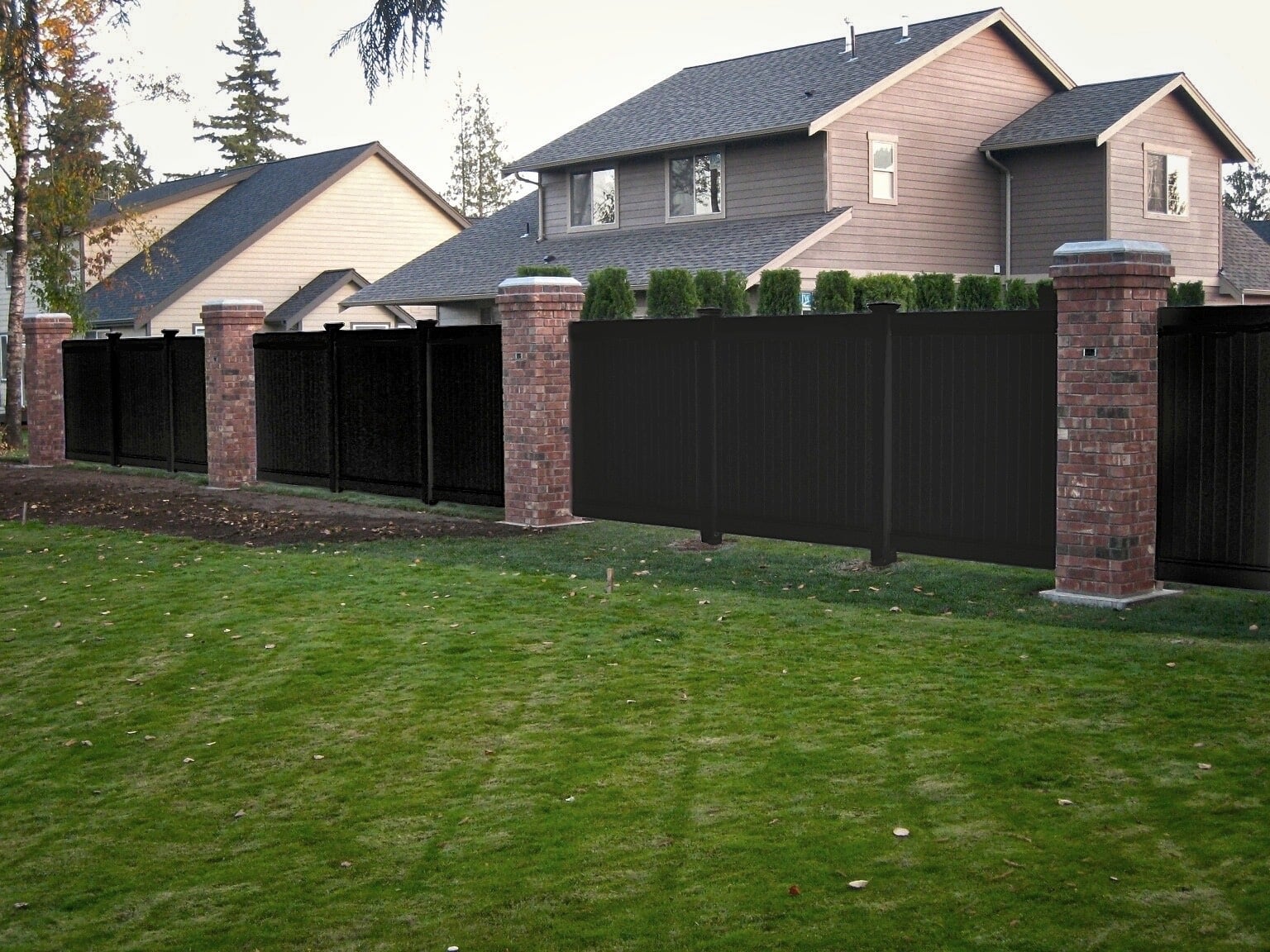
Before BlacklineHHP, dark vinyl fences would become chalky or discolored when placed in direct sunlight for long periods of time. This gave black vinyl fencing a bad name among customers who would have otherwise bought it for their homes.
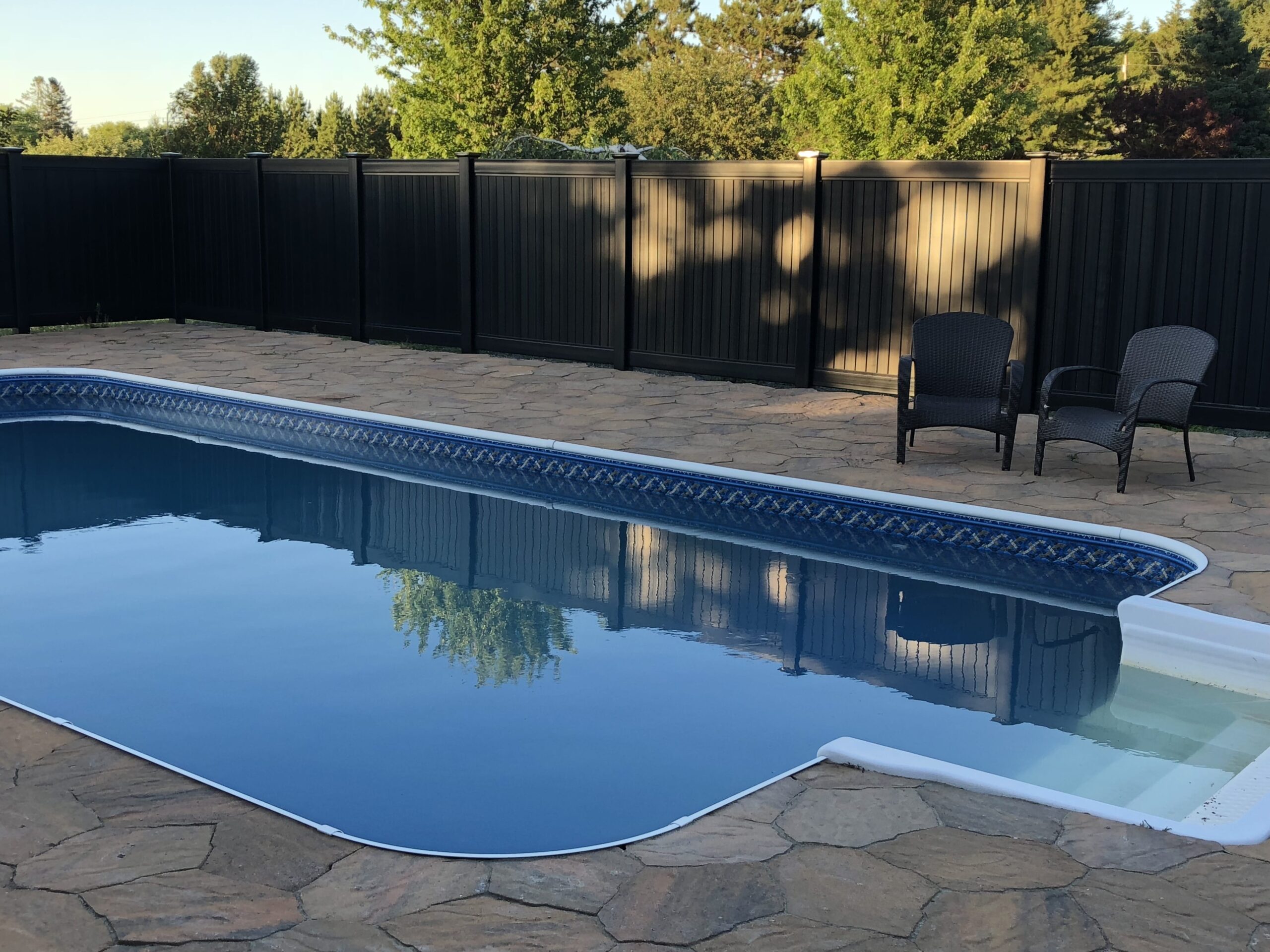
Through rigorous experimentation and ongoing fence manufacturing improvements, Blackline HHP developed a black vinyl fencing product that retained its original, beautiful look – even over 20 years later!
Our fencing products can resist the damaging effects of ultraviolet (UV) rays and withstand heat distortion of up to 200 degrees Fº. W regularly conduct rigorous tests to ensure that our vinyl fencing retains its appearance and rich color through harsh summer days of sweltering heat and direct sunlight.

Is vinyl fencing easy to break? That’s the question that many customers ask us when they’re considering installing vinyl fencing in their yards. Of course, we provide the same great answer when we talk with our customers: Vinyl fencing is extremely durable and can withstand a surprising amount of force.
The base ingredient in vinyl fencing is polyvinyl chloride (PVC) which is formulated to allow for long-term UV protection, and we also include impact modifiers to increase your fence’s resilience to blunt force.
In contrast to wood fences or metal fences, vinyl fencing allows for some flexibility but ultimately remains rigid enough to withstand normal use due to its chemical formulation.
Our vinyl fencing products are manufactured to retain their flexibility in both warm and cold environments. Unlike fences made by other fence manufacturers, our black vinyl fences will not crack or splinter but will accommodate normal temperature fluctuations.

It’s worth remembering that the depth of your fence posts in the ground directly impacts your fence’s strength. This is why it’s important to dig fence post holes that are deep enough to anchor your fence, especially if you live in an area with high winds or softer soil.
So, how deep should your fence posts be to anchor your fence? Well, the depth requirements will depend on your location, climate, and the type of fence. However, you typically want about a third of your fence post to be in the ground. You’ll also need to make sure that you keep enough room for roughly 6 inches of gravel, which will help you drain water away from your fence posts.
For example, if you’re planning on setting your fence post to be 3 feet deep, you would dig a hole for your fence post that is 3 feet 6 inches. This leaves you with enough room for your fence post plus the gravel layer needed for proper drainage.
Like any investment you make into your home, you’ve likely wondered how long vinyl fencing lasts, especially compared to other fencing materials like a wood fence or metal fence.
A vinyl fence can last for 20-30 years with proper maintenance.
While a wood fence can have many different maintenance requirements, the only fence maintenance you’ll typically need to do for vinyl fencing is washing it down with a water hose or wipe it down.
You can either use a garden hose or household cleaners to clean your vinyl fence. It’s really THAT simple!

Homeowners who choose vinyl fencing for their home often come to the question, “should my vinyl fence touch the ground?”.
While it seems to be a simple question, there is a good reason why this matters. Maybe you’re trying to keep your dogs from digging holes under the fence or simply trying to get rid of the awkward gap between the vinyl fence panels and the ground.
Many people realize that wood fences will quickly rot and mold if the fence panels touch the ground. So, when they switch to vinyl fencing, our customers often wonder whether they will have problems with their vinyl fencing if it touches the ground.
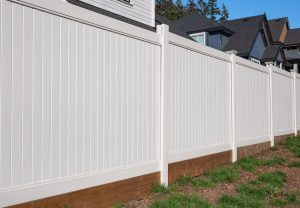
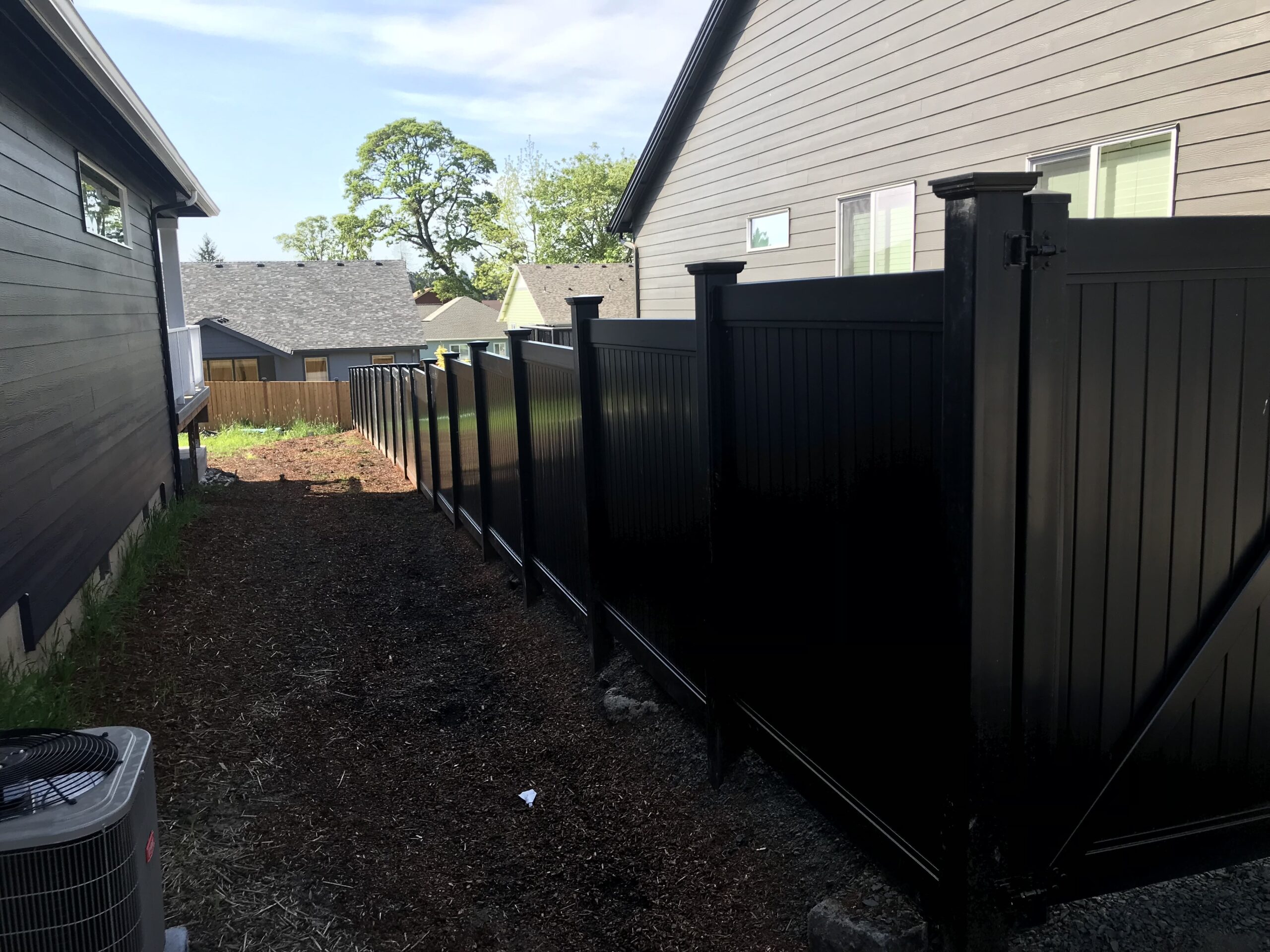
It’s best to keep your vinyl fence panels level with the ground as opposed to planting them since they can get moldy from being in such close proximity to the ground.
There are several options for keeping your fence panels level with the ground:
As you’re looking at the pros and cons of each fencing material, you’ve likely asked yourself if wooden fences are truly better than vinyl fencing. The answer depends on how you prefer to look at it.
Vinyl fencing has a higher upfront cost than a wood fence but requires less maintenance.
If you’re shopping for an affordable backyard fence and don’t mind the fence upkeep tasks, a wood fence would be fine.
But, if you’re like most homeowners, you probably don’t want to spend hours of your valuable time on fence repair or fence maintenance – in this case, vinyl fencing would be the obvious choice for you.
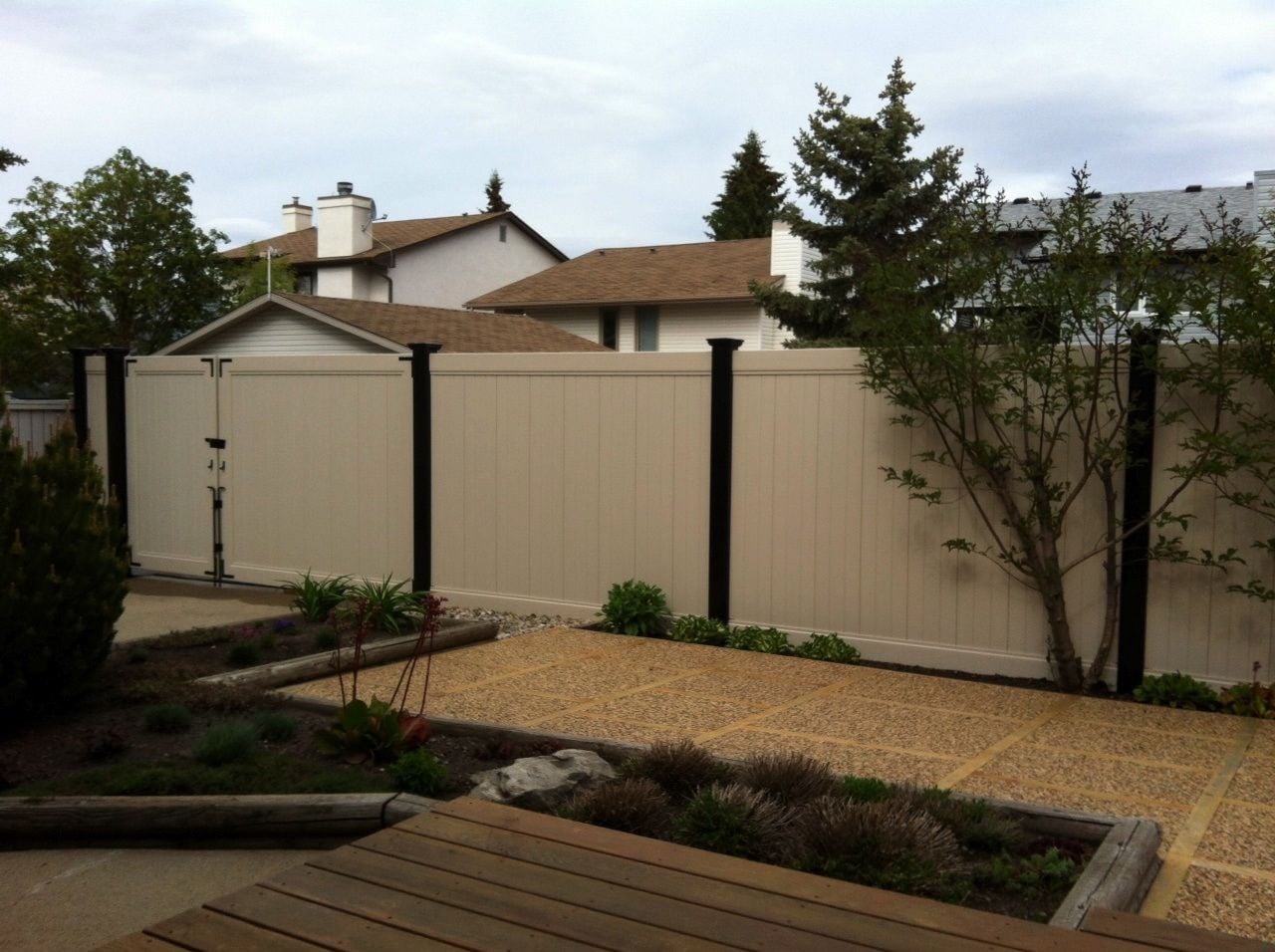
As a leading fence manufacturer, Blackline HHP provides vinyl fencing options for homeowners who recognize the benefits and appeal that vinyl fencing can add to their yard. Whether you want to replace your wood fence or are building the first fence for your yard, we can provide a quote for the perfect style of vinyl fence. Check out our vinyl fence gallery to get decorative fence ideas for your yard.