20 Years of Proven Performance

20 Years of Proven Performance
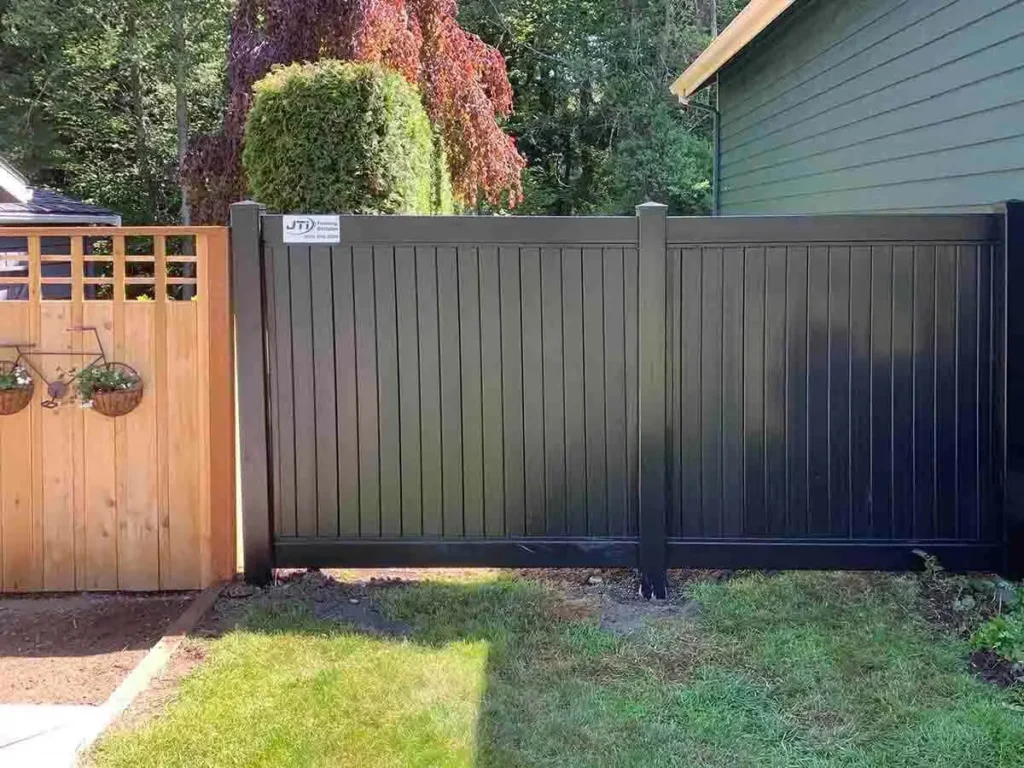
A dusty top rail, a band of lawn clippings and green buildup in a shaded corner do not always need the same treatment. Start with a rinse and a closer look before reaching for stronger cleaners or a pressure washer.
To clean a vinyl fence, start with the care instructions for your product. BLACKline’s product FAQ recommends occasional washing with a garden hose. A seasonal routine helps you keep track of dirt, pollen and the shaded sections that need extra attention.
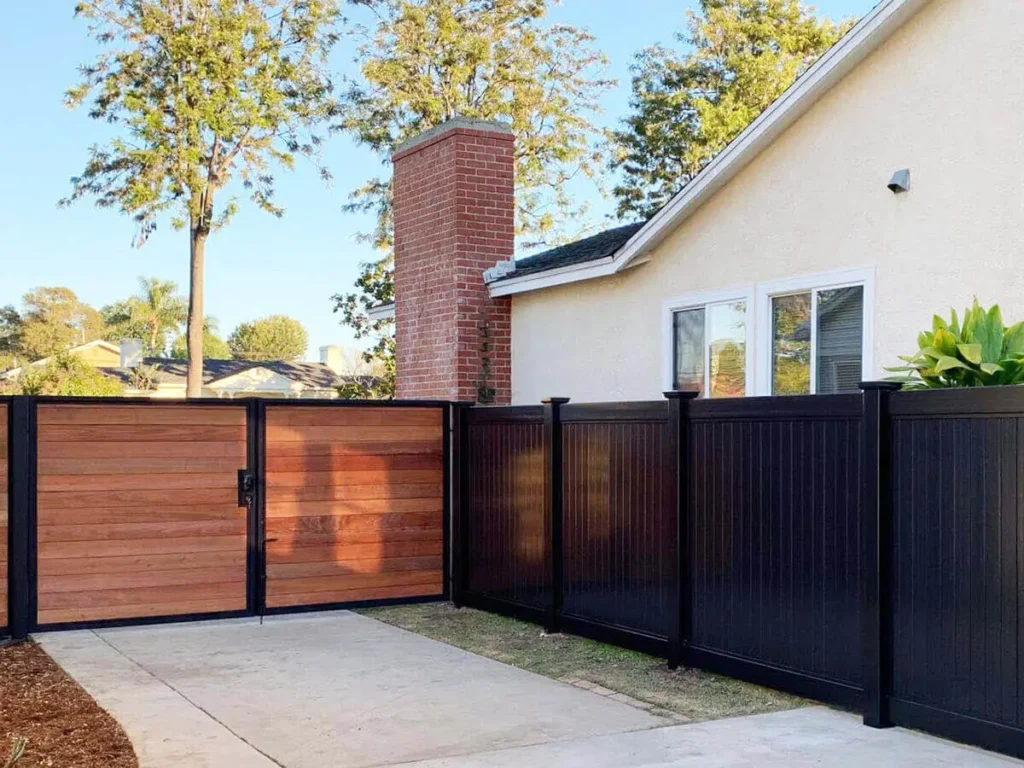
Walk both sides where you have access. Note loose parts, damaged panels, gate problems and places where vegetation rests against the fence. Cleaning is a useful opportunity to spot an issue, but washing will not repair a cracked component or an out-of-alignment gate.
Move portable furniture and equipment out of the way. Keep the work area clear, manage the hose so it does not block a walkway, and follow the cleaning product’s directions for nearby plants and surfaces. Choose a time when the panel surface is cool enough that the cleaning solution will not dry immediately.
For a dealer or contractor handing over a new fence, give the owner the product name and current care instructions. That makes future cleaning choices easier than leaving the owner to guess from the fence’s color or appearance.
Use a garden hose to remove loose dirt, pollen and clippings. Work along a manageable section and check the lower rails and panel edges as well as the broad face. Rinsing first helps you see which areas actually need washing.
For remaining grime, use a mild soap-and-water solution allowed by your fence’s care instructions. Apply it with a soft cloth, non-abrasive sponge or soft-bristled brush. Test the cleaner on a small, hidden area before washing a full section.
Wash gently, then rinse before the solution dries to prevent streaks and residue. Finish one small section before moving to the next, so you can rinse thoroughly without rushing along the whole fence.
Let the area dry before deciding whether another pass is needed. If a mark remains, pause and identify the problem instead of scrubbing harder. A surface stain and a damaged finish call for different responses.
Use the calendar as a reminder to inspect the fence, then clean according to its condition. An exposed roadside section and a sheltered garden corner may need attention at different times. For a Bellingham or Whatcom County property, include shaded and planted areas in the walkthrough rather than judging the whole fence from the street.
Check for loose debris, mud near the base and material caught around gates. Rinse accessible surfaces and note any damage that needs the installer’s attention. Once pollen collects, a further light rinse may be more useful than repeating a full wash.
Look at the lower fence after mowing and near planted beds. Remove clippings and visible dirt before planning a more involved clean. If sprinklers repeatedly wet one section, include that area in the next check and discuss any adjustment with whoever maintains the landscaping.
Remove accumulated leaves and check places hidden by plants. If the same corner develops green buildup repeatedly, record where it occurs and review vegetation contact and moisture sources alongside the cleaning method.
Choose a mild day and postpone washing if water could freeze on paths or steps. Follow the fence and cleaner instructions when cold weather limits the work.
Green discoloration may be algae; appearance alone does not identify every deposit. BLACKline’s FAQ notes that mildew can still need attention in humid conditions. Start with the routine rinse and approved gentle wash, then ask the manufacturer about a persistent area.
Use a specialty cleaner only when it is suitable for the installed fence, and follow its label for dilution, application, rinsing and protection of surrounding surfaces. Do not combine cleaning products or copy a bleach recipe intended for another product. Photograph a stubborn area before asking the dealer for help.
A pressure washer is not the first tool needed for a routine rinse. BLACKline has a separate pressure-washing guide, but the installed product’s current instructions and condition should determine whether that method is appropriate.
If pressure washing is permitted, follow the specified equipment settings, nozzle and working distance. Avoid concentrated jets, prolonged spraying in one spot and directing water into joints or damaged areas. If you cannot confirm suitable settings for your fence, use the hose and hand-cleaning method or ask the installer.
Rubber transfer and isolated dark scuffs are a different job from rinsing pollen or washing a whole fence. Use our dedicated black-mark removal guide for that topic, while checking any proposed cleaner against your product instructions. For ordinary dirt and pollen, keep to the gentle wash described above.
Inspect it seasonally and clean when its condition calls for it. Follow the manufacturer’s guidance, with extra checks where dirt, vegetation or recurring buildup affects one section.
Only when the installed fence’s instructions and condition support it. Confirm the permitted method first. A garden hose and gentle hand washing are the starting point for routine cleaning.
Stop before increasing abrasion or chemical strength. Let it dry, photograph it and ask the manufacturer or dealer whether it is a stain, buildup or a material issue.
Save the product information and cleaning guidance with the installation paperwork. If you are planning a new BLACKline fence or need help identifying the right care information, contact the team with the product details and a description of your project.