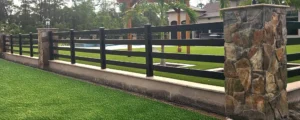
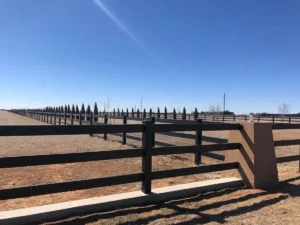
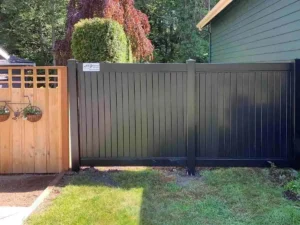
20 Years of Proven Performance
20 Years of Proven Performance
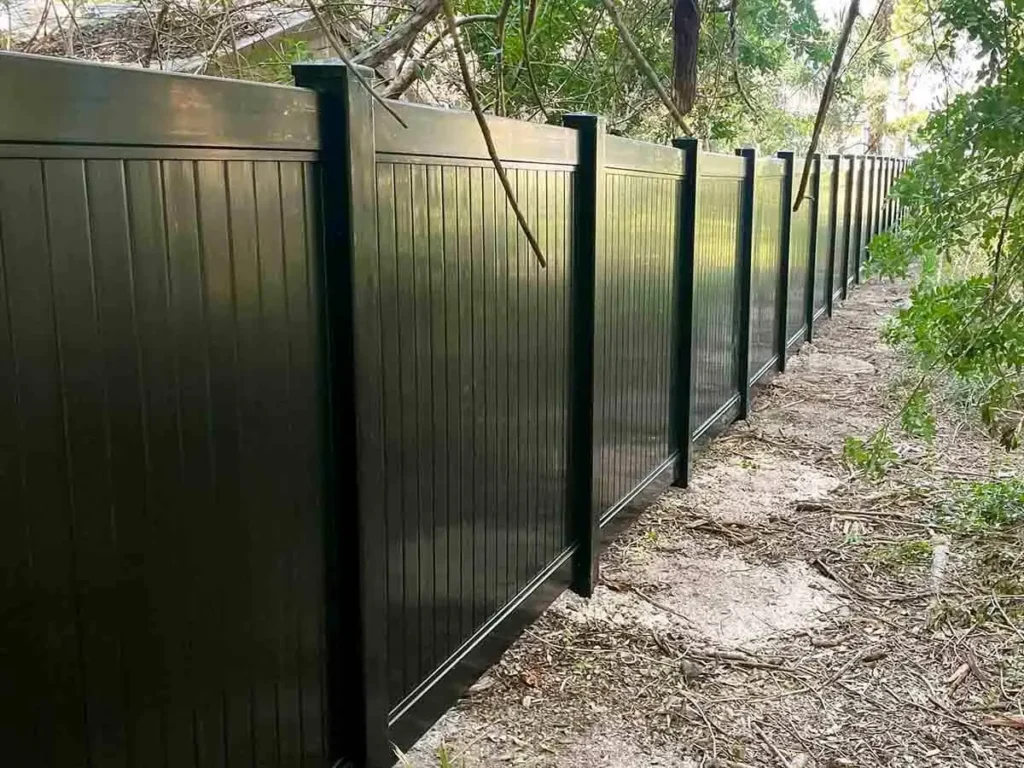
In most fence listings, “vinyl fence” and “PVC fence” describe the same general type of product. PVC stands for polyvinyl chloride, the material commonly called vinyl. A different name on a quote does not, by itself, mean a stronger fence, a longer warranty or a better finish.
The useful comparison is between specific products: their formulation, construction, intended use and installation requirements. BLACKline HHP adds another distinction because its published FAQ identifies a CPVC-based formulation. Here is how to explain those terms and compare the fence systems behind them.
The Vinyl Institute describes vinyl as polyvinyl chloride and includes fencing among its rigid building applications. That is why a supplier may use vinyl and PVC interchangeably in a product description.
CPVC stands for chlorinated polyvinyl chloride. It is a modified form of PVC, not a synonym for every vinyl fence. Lubrizol’s CPVC materials information explains that the resin is made by further chlorinating PVC. The important point for a fence buyer is to confirm the manufacturer’s actual formulation rather than assuming all three names mean exactly the same thing.
| Term | What it means | What to confirm |
| Vinyl fence | Common product name for PVC-based fencing. | The exact system and intended use. |
| PVC fence | Fencing described by its polyvinyl chloride material. | Product formulation and component design. |
| CPVC | Chlorinated polyvinyl chloride, a modified form of PVC. | Whether the manufacturer specifies it for the selected product. |
A quote labeled “PVC vinyl fence” still needs to identify the exact system. Ask each supplier for the panel height, post design, reinforcement, gate hardware and installation scope so you can compare what is included.
For example, a solid privacy panel and an open ranch-rail fence can both be sold as vinyl fencing, yet they serve different purposes. Compare quotes for the same style, finished height, layout and gate openings before deciding that one supplier is more expensive.
Ask for the product sheet and installation instructions with the quote. These give the contractor something specific to work from and help the customer understand which components are included. A photograph is useful for choosing the appearance, but it cannot replace those details.
BLACKline HHP’s product FAQ identifies a rigid CPVC-based compound made with virgin material. It also describes mono-extrusion and the use of impact modifiers, colorant and UV stabilizers. Those are more specific details than a listing that only says “black PVC fence.”
Our company history explains that the formulation was developed around the challenges of dark-colored fencing, including heat-related distortion and color retention. It dates the start of production to 2006. This background helps explain why BLACKline HHP uses the high heat performance name.
For a purchasing decision, use the current product documents and warranty for the fence style you are ordering. The resin name alone should not be treated as a promise that a fence will suit every application or remain unchanged in every environment.
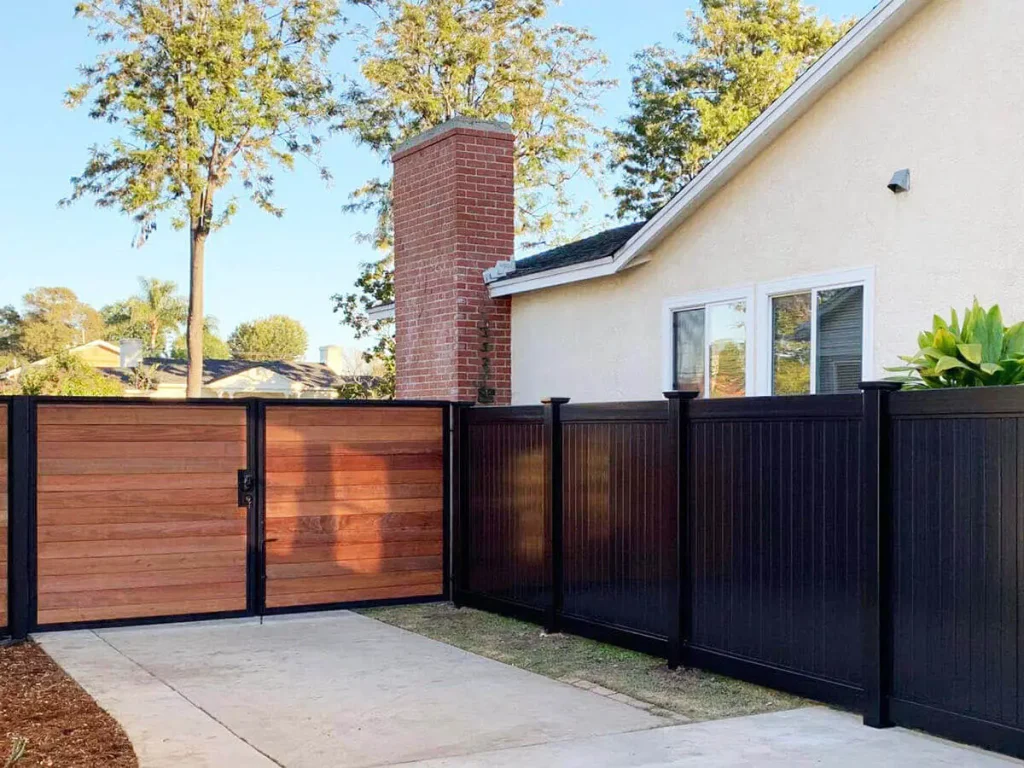
Start with the job the fence must do. A customer who wants to screen a backyard may be comparing solid privacy panels. A customer who wants an open boundary may prefer ranch rail. Match the selected style and height on each quote so the comparison stays useful.
Ask what comes with each section and whether the selected design calls for reinforced rails or gate-post supports. BLACKline HHP’s solid privacy product page, for example, lists aluminum reinforcement in its top and bottom rails. That is a product-specific detail to confirm, not something the word “vinyl” tells you.
For a black vinyl fence, ask the manufacturer how the product is formulated for outdoor exposure and what its warranty covers for abnormal discoloration or distortion. Request the relevant documentation instead of relying on an unqualified “never fades” sales claim.
Check whether the quote includes installation, removal of an old fence, gates and site preparation. Ask who will answer product questions and supply replacement components. Dealers and contractors should also confirm that the drawings and instructions match the system being ordered.
For a project in Bellingham or elsewhere in Whatcom County, share the layout and site photos with your dealer. Ground conditions, grade changes and access can affect the installation plan even when two customers choose the same fence material.
Calling a fence PVC instead of vinyl does not establish a different care routine. Follow the instructions for the actual product. BLACKline HHP’s maintenance guidance describes washing the fence when it becomes dirty and says the color is extruded through the material, so routine painting or staining is not required.
Ask for the approved cleaning method before using chemicals or equipment. Keep this separate from the material comparison: the right care instructions come from the manufacturer, not from which term appears on a retailer’s category page.
The names alone do not establish a difference in quality. Vinyl commonly means PVC in fencing. Compare the named manufacturer, product design, formulation, warranty and installation requirements.
No. CPVC is chlorinated polyvinyl chloride, a modified form of PVC. BLACKline HHP identifies CPVC in its product FAQ. Confirm the formulation with the manufacturer rather than assuming every product marketed as vinyl uses CPVC.
BLACKline HHP says its color is extruded throughout the product and that painting or staining is not part of routine maintenance. For another manufacturer’s fence, check that product’s care instructions and warranty.
Use cost per foot as a starting point, then compare the same height, style, gates and scope. A material-only price cannot be compared directly with a quote that includes installation and site preparation.
Once the terminology is clear, compare fence systems by how they fit the property and what each quote includes. Explore BLACKline HHP’s privacy and ranch-rail options, then request a quote with your preferred style, approximate footage, gates and project location. Our team can help you review the product details before ordering.